

Introduction of injection valve
Classification:
Release Time:2023-03-30
An injection valve is a common industrial control element used to control the flow and pressure of liquids or gases. It is widely used in petrochemical, metallurgy, water treatment, aerospace, automobile manufacturing and other fields.
injection valveIt is a common industrial control element used to control the flow and pressure of liquids or gases. It is widely used in petrochemical, metallurgy, water treatment, aerospace, automobile manufacturing and other fields.
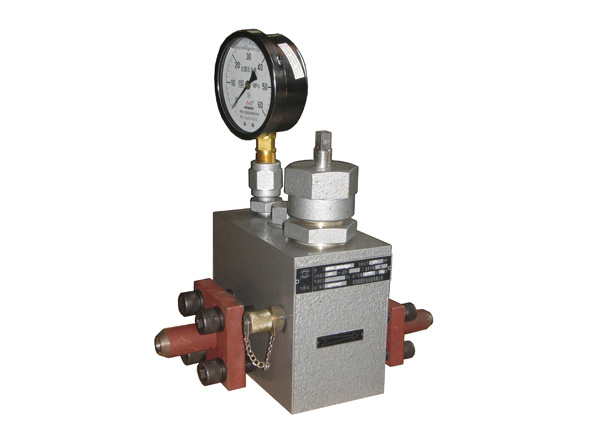
The injection valve is a flow control device based on the Bernoulli principle. When liquid or gas passes throughinjection valveA pressure difference is created, which accelerates the fluid while reducing its static pressure. This pressure difference can cause liquid or gas to pass throughinjection valveThe speed is increased, thereby controlling the flow and pressure.
Structure and composition of injection valve
injection valveIt usually consists of three parts: nozzle, throat and diffuser. The nozzle is the core component of the injection valve, which is used to spray liquid or gas. The throat pipe is the pipe connecting the nozzle and the diffuser, which can adjust the flow and pressure. The diffuser isinjection valveThe outlet part is used to spread the ejected fluid into a larger area.
Application of injection valve
Injection valves are widely used in petrochemical, metallurgy, water treatment, aerospace, automobile manufacturing and other fields. In the field of petrochemical industry, the injection valve is often used in oil refining, chemical production and oil pipeline control. In the field of metallurgy, injection valves are usually used in the fields of railways, ships and machinery manufacturing. In the field of water treatment, injection valves are often used in water treatment, sewage treatment and seawater desalination. In the field of aerospace, jet valves are often used in rocket engines, jet aircraft and spacecraft. In the field of automobile manufacturing, injection valves are often used in automobile engines, braking systems and suspension systems.
Advantages and disadvantages of injection valves
The injection valve has the following advantages:
1. High precision. The injection valve can control the flow and pressure, so as to achieve accurate flow regulation.
2. Energy saving and environmental protection. The injection valve can reduce the flow and pressure of liquid or gas, thereby reducing energy consumption and environmental pollution.
3. Strong adaptability. The injection valve can adapt to different fluid and pressure ranges and has a wide range of applicability.
However, the injection valve also has some disadvantages:
1. High maintenance costs. Injection valves require regular maintenance and cleaning, which is costly to maintain.
2. The viscosity of the fluid. The injection valve has high requirements for fluid viscosity and cannot handle high-viscosity fluids.
3. The installation position is limited. The injection valve needs to be installed in a specific position and cannot be moved at will.
In short, the injection valve is a common industrial control components, with high precision, energy saving and environmental protection and strong adaptability. It is widely used in petrochemical, metallurgy, water treatment, aerospace, automobile manufacturing and other fields. However, injection valves also suffer from high maintenance costs, viscosity to the fluid, and limited installation locations. In practical applications, it is necessary to select a suitable injection valve according to specific needs.
Previous Page
Next Page
Related News
2026/02/28

Contact Information
+86 27-8970 8339
Address: No.5, Zhengjie, Shuangliu Street, Xinzhou District, Wuhan City, Hubei Province